Winter Weather Checklist: How to Protect Your Mountain Home (Especially If You’re Only Here Part-Time)
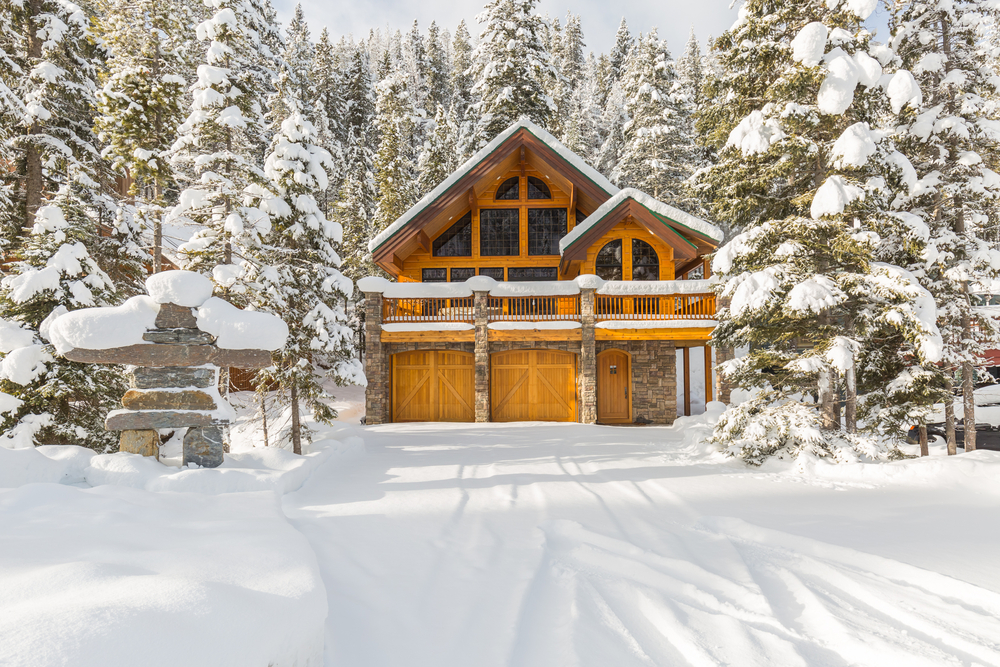
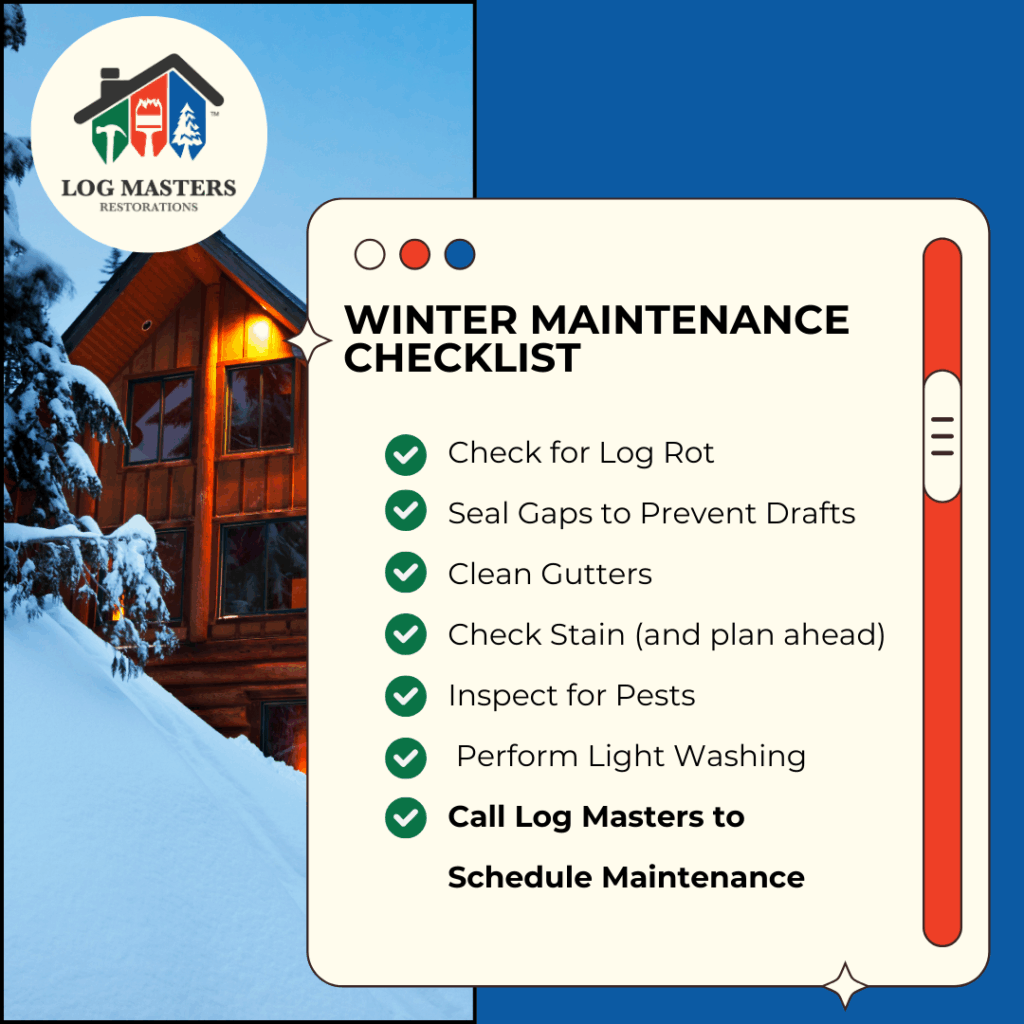

Winter weather in the mountains can be beautiful—but it can also be hard on homes, especially if you’re only here part-time or using your property as a vacation home or investment. Freezing temperatures, snow, and power outages can cause costly damage if a home isn’t properly prepared.
Whether you live here full-time or only visit seasonally, these steps will help protect your home and give you peace of mind during winter weather.
1. Protect Your Pipes From Freezing
Frozen pipes are one of the most common (and expensive) winter issues.
What to do:
-
Insulate exposed pipes in crawl spaces, basements, and garages
-
Disconnect and drain outdoor hoses
-
Shut off exterior water valves if possible
-
Keep the thermostat set no lower than 55°F, even when you’re away
-
Open cabinet doors under sinks to allow warm air to circulate
👉 If your home is vacant for extended periods, consider shutting off the main water supply.
2. Set Up Remote Monitoring
If you’re not here regularly, technology can be your best friend.
Helpful options include:
-
Smart thermostats to monitor temperature remotely
-
Water leak detectors near water heaters, sinks, and washing machines
-
Security systems or cameras to keep an eye on the property
These tools can alert you before a small issue becomes a major repair.
3. Prepare for Power Outages
Winter storms in the mountains can sometimes mean temporary power loss.
Be prepared by:
-
Installing a backup generator (or portable generator if allowed)
-
Leaving flashlights and emergency lighting on-site
-
Using surge protectors for major appliances
-
Avoiding space heaters when the home is unattended
4. Clear Gutters & Check the Roof
Snow and ice buildup can cause water damage fast.
Before winter hits:
-
Clean gutters and downspouts so water can flow freely
-
Inspect the roof for loose or missing shingles
-
Trim overhanging branches that could break under snow
This helps prevent ice dams and roof leaks.
5. Maintain Safe Heating Systems
Your heating system is your home’s lifeline in winter.
Don’t skip:
-
Annual HVAC or furnace servicing
-
Chimney inspections if you have a fireplace or wood stove
-
Replacing HVAC filters regularly
If you rely on propane or oil, make sure your tank is full before a cold snap.
6. Consider a Local Property Check
For part-time homeowners, having someone local can be invaluable.
Options include:
-
A trusted neighbor
-
A property management service
-
A local handyman who can check in after storms
Even a quick walkthrough can catch problems early.
7. Secure Doors, Windows & Exterior Areas
Cold weather can expose weak points in a home.
Quick fixes that matter:
-
Weather-strip doors and windows
-
Lock all entry points
-
Store outdoor furniture and secure loose items
-
Ensure driveways and walkways are accessible if you’ll be visiting
Peace of Mind Is Worth the Prep
A little preparation goes a long way—especially in mountain communities where weather can change quickly. Taking these steps now can save you thousands in repairs and ensure your home is ready whenever you arrive.
If you own a vacation home, second home, or investment property, or you’re considering buying one in the mountains, I’m always happy to share local insight and connect you with trusted professionals.
Have questions about winterizing a mountain home or buying one that’s easy to maintain? Let’s talk.
Categories
Recent Posts





GET MORE INFORMATION